
Adult Asthma in Orlando, Dr. Phillips, Altamonte Springs, & Alafaya, FL
Adult Asthma: Causes, Symptoms & Treatment
Comprehensive Care for Managing Asthma in Adults
Asthma is a chronic respiratory condition that affects the airways in the lungs, causing them to become inflamed and narrowed. While asthma is often diagnosed in childhood, it can also develop in adulthood. At Total Allergy, Asthma & Immunology, we offer expert diagnosis, treatment, and management plans tailored to adult patients, helping you live an active and healthy life despite asthma.
What Is Adult Asthma?
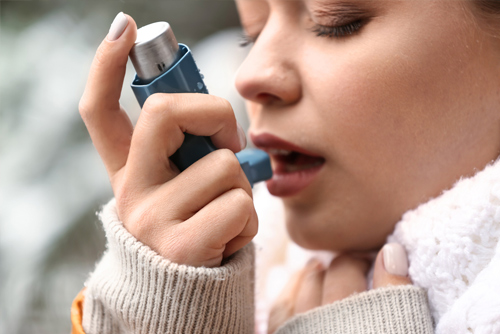
Adult asthma refers to asthma that develops or persists after the age of 18. It occurs when the airways in the lungs become inflamed in response to certain triggers, leading to symptoms such as wheezing, coughing, chest tightness, and shortness of breath. Although asthma in adults may differ from childhood asthma in terms of triggers and severity, the underlying mechanisms are similar.
Causes and Risk Factors of Adult Asthma
The exact cause of adult asthma is not always clear, but several factors can contribute to the development of asthma:
1. Allergies
Many adults with asthma have allergies, which can make asthma symptoms worse. Common allergens include pollen, pet dander, mold, dust mites, and cockroach droppings.
2. Respiratory Infections
Previous respiratory infections, such as viral colds or pneumonia, can damage the airways and increase the likelihood of developing asthma.
3. Occupational Exposure
Adults in certain professions, such as farming, construction, and manufacturing, may be exposed to irritants or allergens in the workplace, such as dust, fumes, or chemicals, which can lead to asthma.
4. Family History
A family history of asthma or other allergic conditions increases the risk of developing asthma.
5. Environmental Triggers
Air pollution, cigarette smoke, strong odors, and other irritants in the environment can trigger asthma symptoms.
6. Hormonal Changes
In women, hormonal fluctuations, particularly during pregnancy or menopause, can play a role in the onset or worsening of asthma symptoms.
Symptoms of Adult Asthma
Asthma symptoms can vary from mild to severe and can be triggered by a variety of factors. Common symptoms include:
- Wheezing – A high-pitched whistling sound when exhaling.
- Shortness of breath – Difficulty breathing, especially during physical activity or at night.
- Chest tightness – A feeling of pressure or constriction in the chest.
- Coughing – Persistent coughing, especially at night or in the early morning.
- Increased mucus production – Thick, sticky mucus in the airways can make breathing difficult.
In some cases, asthma symptoms may worsen at night or in the early morning hours, which is referred to as "nocturnal asthma."
How Is Adult Asthma Diagnosed?
At Total Allergy, Asthma & Immunology, we provide comprehensive asthma evaluations to determine the cause of your symptoms. Common diagnostic methods include:
- Physical Exam – Your doctor will listen to your lungs and assess your breathing patterns.
- Spirometry – A breathing test that measures how much air you can inhale and exhale and how quickly. This test is used to assess lung function and diagnose asthma.
- Peak Flow Monitoring – A device that measures how fast you can exhale, which can help track asthma control.
- Allergy Testing – If allergies are suspected to be a trigger, allergy tests can help identify specific allergens.
- Exhaled Nitric Oxide Test – Measures the level of nitric oxide in your breath, which can indicate inflammation in the airways.
Treatment Options for Adult Asthma
While asthma cannot be cured, it can be effectively managed with the right treatment plan. At Total Allergy, Asthma & Immunology, we develop personalized asthma management strategies to help control symptoms and reduce flare-ups.
1. Medications
There are two main types of asthma medications: long-term control medications and quick-relief medications.
Long-Term Control Medications
These are taken daily to prevent asthma symptoms and manage inflammation:
- Inhaled Corticosteroids – The most common and effective treatment for long-term asthma control, reducing inflammation in the airways.
- Leukotriene Modifiers – Oral medications that help reduce inflammation and prevent airway constriction.
- Long-Acting Beta Agonists (LABAs) – Inhalers that relax the muscles around the airways, often used in combination with inhaled corticosteroids.
- Combination Inhalers – Inhalers that contain both an inhaled corticosteroid and a LABA for better asthma control.
Quick-Relief (Rescue) Medications
These medications provide rapid relief of asthma symptoms during an asthma attack:
- Short-Acting Beta Agonists (SABAs) – Quick-acting inhalers that help relax the muscles around the airways and open them up.
- Oral Corticosteroids – Used in more severe asthma flare-ups to quickly reduce inflammation.
2. Allergy Treatments
If allergies are contributing to your asthma, managing your allergies can help control asthma symptoms:
- Allergy Shots (Immunotherapy) – A long-term treatment option that involves gradually desensitizing your immune system to allergens.
- Antihistamines – Help reduce allergic reactions and prevent asthma exacerbations caused by allergens.
3. Lifestyle and Environmental Modifications
Making certain changes to your daily routine and environment can help reduce asthma symptoms:
- Avoid Triggers – Identifying and avoiding allergens, pollutants, and irritants that can trigger asthma.
- Air Purifiers – Using HEPA filters in your home to reduce airborne allergens.
- Exercise – Regular exercise can strengthen your lungs and improve asthma control, but be mindful of environmental triggers (such as cold air or pollution) when exercising.
- Weight Management – Maintaining a healthy weight can help reduce asthma symptoms and improve lung function.
4. Asthma Action Plan
An asthma action plan is a written plan that outlines how to manage your asthma on a day-to-day basis and how to respond to worsening symptoms. Your plan will include instructions on when to use specific medications and how to recognize early signs of an asthma attack.
Find Relief from Adult Asthma Today!
Asthma is a manageable condition, and with the right care, you can live a full and active life. If you are struggling with asthma symptoms, Total Allergy, Asthma & Immunology provides expert diagnosis, treatment, and personalized care to help you take control of your asthma.
● Orlando, FL: (407) 380-8700
● Dr. Phillips, (Orlando, FL): (407) 370-3705
● Alafaya, (Orlando, FL): (407) 380-8700
● Altamonte Springs, FL: (407) 331-6244